Ten years on
By 1921 Cubism was no longer a scandal; it was a style, fourteen years old, taught and collected and copied. The world that made it was gone. The First World War had come and emptied the cafés: Braque was wounded at the front, the dealer Kahnweiler had been exiled as an enemy alien, and the poet Guillaume Apollinaire — Cubism’s loudest champion — was dead, carried off by the 1918 influenza while still weak from a war wound. Picasso himself was rich now, married, moving in fashionable circles and even painting calm, classical nudes on the side.
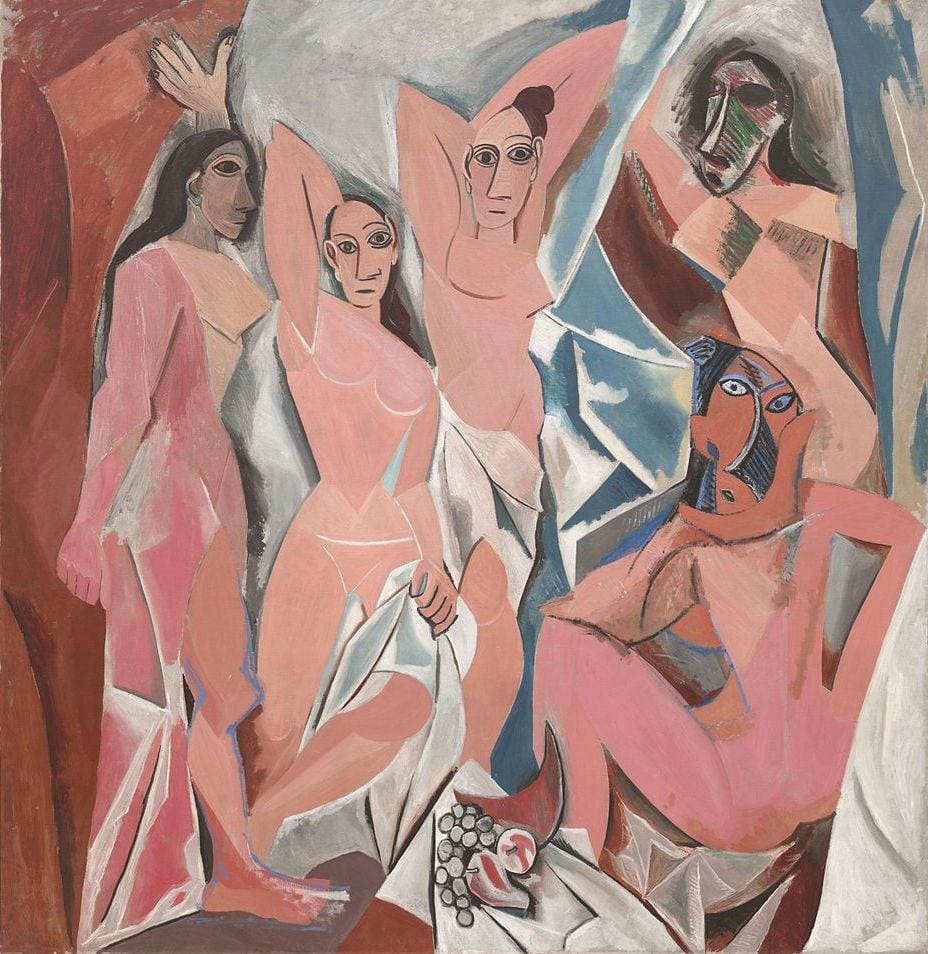
That summer he rented a villa at Fontainebleau, outside Paris, and worked in its garage. There he sat down and, in effect, wrote Cubism’s grand farewell — a huge, bright, ceremonial picture that gathers up everything the movement had discovered and stages it like a final curtain call.